Pet Dental Care in San Marcos, CA
Twin Oaks Animal Hospital provides pet dental care and oral surgery for dogs and cats in San Marcos, CA. Our hospital offers thorough veterinary dentistry, from cleanings to oral surgery, to protect your pet’s health.
What Is Pet Dental Care?
Cat and dog dental cleaning is one of the most important parts of preventive pet care. Most dental disease develops below the gumline, where it can’t be seen without a closer look. Left untreated, dental disease can lead to pain, tooth loss, and other health complications over time.
Our team has completed advanced dentistry training through a veterinary dental specialty program. We tailor every cleaning and exam to your pet’s specific dental history and needs.
What to Expect During a Dental Procedure
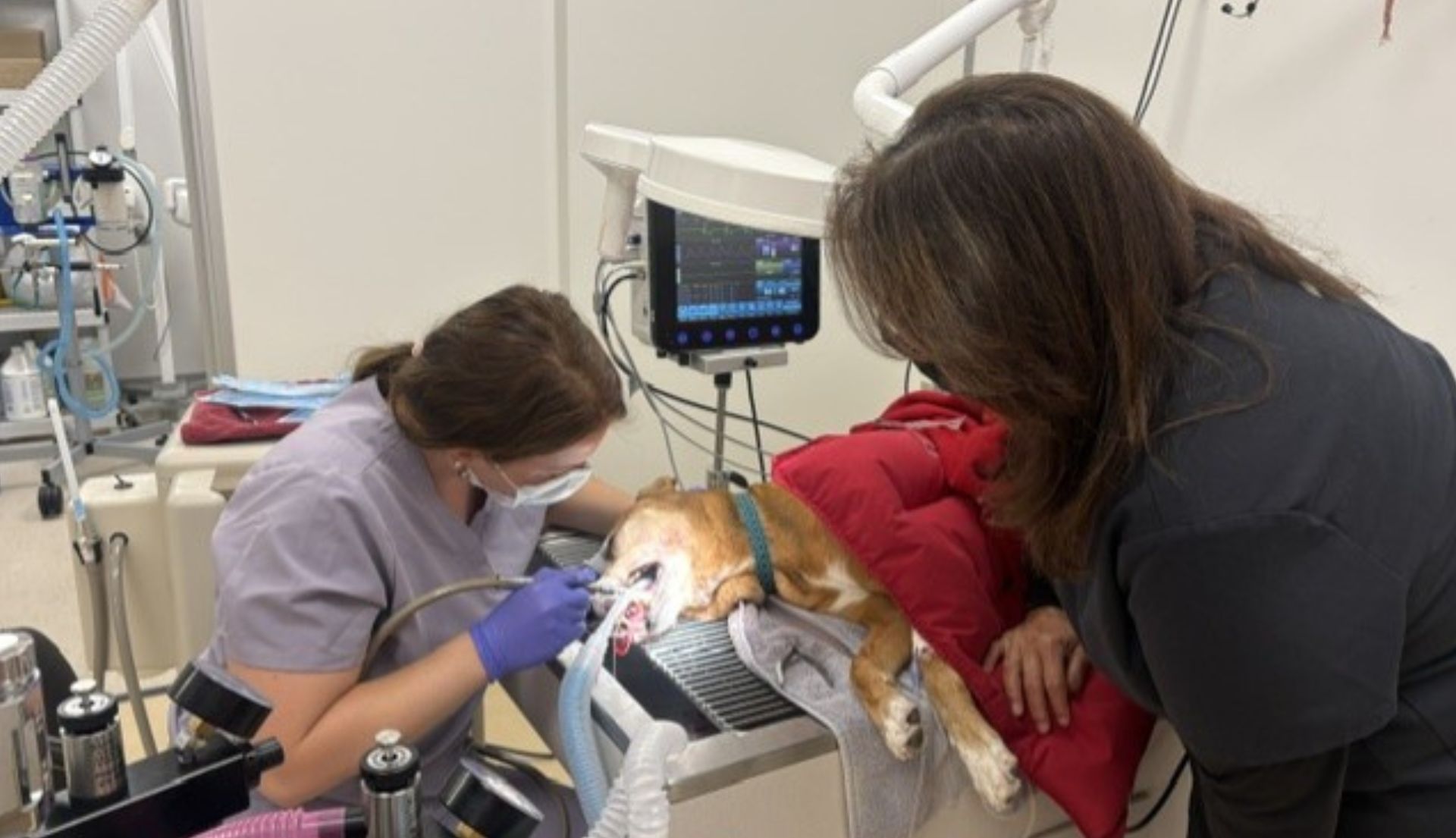
All dental procedures at our hospital are performed under anesthesia for a thorough exam and cleaning below the gumline. While your pet is under anesthesia, we closely monitor their heart rate, temperature, and oxygen levels for safety. The procedure begins with a full-mouth scaling to remove tartar, using an ultrasonic scaler. Our veterinarian then performs a thorough exam, checking for loose teeth, fractures, infection, and periodontal disease.
Full-mouth dental X-rays, extractions, curetting, and oral mass removal may be performed during the same visit if needed. This way, your pet doesn’t need multiple rounds of anesthesia for related issues. Because most dental disease hides below the gumline, these steps are often necessary even when teeth look fine.


Caring for Your Pet’s Teeth at Home
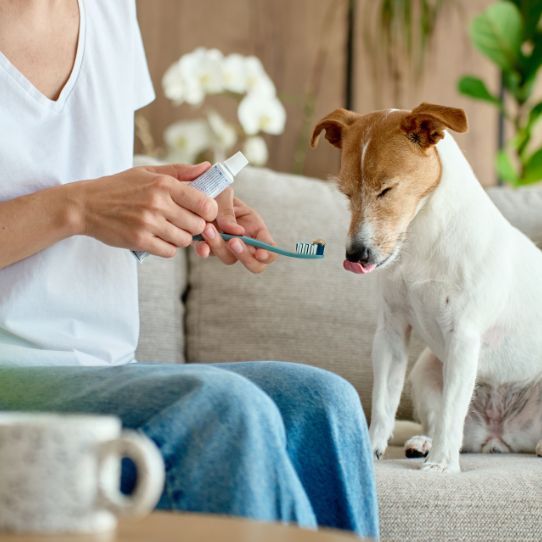
Thankfully, several other options can help reduce plaque buildup for pets who aren’t ready for brushing:
- Dental Diets — Options like Hill’s Science Diet t/d or Purina Dental Formula are made to help reduce plaque with regular feeding.
- Dental Chews — Chews such as CET Chews, Greenies, or Milk-Bone Dental Chews can support your pet’s oral health between visits.
- Dental Flushes — A 2% chlorhexidine flush can help reduce bacteria in the mouth.
Please talk with us before starting a home care routine, since not every product is right for every pet. Look for the VOHC seal of approval on over-the-counter products. This shows the Veterinary Oral Health Council has reviewed them for effectiveness.
Signs of Oral and Dental Disease in Dogs and Cats:
- Bad breath
- Loose, discolored, or tartar-covered teeth
- Pulling away when you touch the mouth area
- Drooling or dropping food while eating
- Bleeding from the mouth
- Loss of appetite or weight
Loss of appetite or weight can also point to issues with other organs. An early veterinary exam is important if you notice these changes.


Why Dental Care Matters
Careful Monitoring, Every Step of the Way
Every dental procedure includes full anesthetic monitoring, so your pet’s safety comes first from start to finish. This same attention to detail carries through the rest of our veterinary services.
FAQs About Pet Dental Care
Why does my pet need anesthesia for a dental cleaning?
How often does my pet need a dental cleaning?
What are the first signs of dental disease I should watch for?
Protecting Your Pet’s Smile for the Long Run
Oral health plays a bigger role in your pet’s overall well-being than many owners realize. At Twin Oaks Animal Hospital, our advanced dentistry training means your pet’s care goes beyond a routine cleaning. We take the time to check for problems that aren’t visible on the surface. Pet owners throughout the greater San Marcos area trust us with this essential part of their pet’s health. From daily home care to in-hospital procedures, we’re here to help protect your pet’s smile.